
The Psychology of Hazing
Our mission is to provide methods of prevention and intervention in hazing; to explain the psychology of hazing in high school, college, the military, and the workplace.
What is hazing?
Hazing is often about group dynamics, power and proving one’s worthiness. Hazing is often part of initiation rituals, however hazing may continue after the formal initiation period. Groups sometimes use hazing to mark special occasions, such as birthdays. In general, hazing is integrated into the culture of the group.
Where does hazing occur?
Hazing occurs in middle school and high schools, as well as in colleges, the military and on the job. It occurs all over the United States and throughout the world. Hazing occurs in locations that are poorly supervised, or completely unsupervised by authorities.
Who is involved in hazing?
All kinds of people are hazed, and all kinds of people haze others. Hazing is not a function of race, or socioeconomic class. Hazing occurs among people of all educational levels.
When does hazing happen?
Hazing occurs throughout the year, though there is often an increase at the beginning of the fall and spring semester and at the beginning of all athletic seasons.
Why do people haze?
There are many complex psychological reasons, however most people who have been hazed believe they have a right and duty to do unto others what was done to them. Check out “The Blueprint of Hazing” to understand why hazing has continued since ancient times.

What’s New in Hazing?
Biden signs law mandating colleges report hazing incidents
USA Today • December 24, 2024
President Joe Biden on Tuesday enacted the first federal anti-hazing law, marking the end of a yearslong push by victims' families for more transparency and accountability on college campuses. Read More
Federal Anti-Hazing Legislation to Impose New Reporting Obligations on Colleges and Universities
JDSUPRA • December 24, 2024
Earlier this month, Congress passed the federal Stop Campus Hazing Act. President Biden is expected to sign the new legislation before leaving office in January 2025. If enacted, the Act will create new obligations for colleges and universities to track and report incidents of hazing affecting their campus communities. Read More
Female Deaths
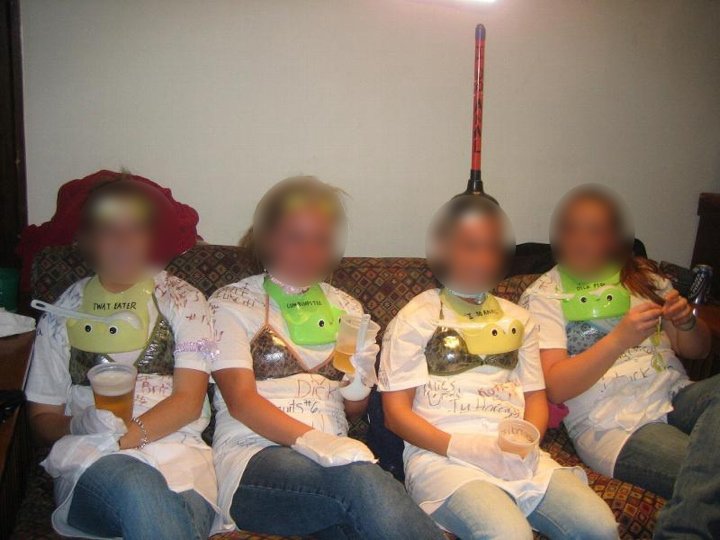
More female students are dying due to hazing. Victims are not only dying on the couches of fraternity houses. Students of all ethnicity are dying due to negligence-physical pain and psychological suffering. Young women, Asian, Afro-American and others are dead due to the hazing traditions in their sororities.

Legal Loopholes
Greek organizations are renaming hazing rituals and elongating the hazing process, in order to skirt the legal definitions used by colleges and states. For example, they will initiate new members in a shorter period of time, but continue to haze them even after they have been identified as “full members.” In this way, the groups claim that the rituals were not hazing, and/or not illegal according to the letter of the law.

Sexualized Hazing
Hazing continues to incorporate sexualized events. From a psychological perspective, using sexualized hazing is the quickest method of humiliating a student. It immediately demonstrates the hierarchy and makes the victim feel completely helpless.

Dr. Susan Lipkins
Psychologist | Expert Witness
Author of: Preventing Hazing: How Parents, Teachers and Coaches Can Stop the Violence, Harassment and Humiliation
516-521-2518
drlipkins@gmail.com
Dr. Lipkins is a psychologist who is a pioneer in the area of hazing, bullying and harassment. Her interest started with a sexualized hazing ritual on a nearby high school football team.
Dr. Lipkins is also an expert witness for cases involving hazing and bullying. Hazing victims and their families usually bring a lawsuit when the damages have been physically and/or psychologically harmful in significant ways.
Dr. Lipkins specializes in campus conflict and violence in high schools and colleges.
She has appeared on television as an expert in hazing and bullying more than 100 times, and has been seen on CBS, NBC, ABC, CNN, ESPN, SKYTV. In addition, she has been quoted and published in The New York Times, The Wall Street Journal, The New York Post, The Washington Post, The Daily News, as well as many other magazines, and publications worldwide.
Dr. Lipkins in the News
Oprah, ESPN, Dr. Phil, Katie, and more...
Hazing can happen in the closest communities. Preventing it is harder than you’d think
Acceptance, rite of passage, and tradition continue fueling the age-old practice of hazing, making it prevalent on collegiate sports teams, among Greek life groups and at the high school level despite state and federal laws.
CNN • May 3, 2025
TIMELINE: Westhill criminal hazing incident investigation
SYRACUSE, N.Y. — The CNY Central news team confirmed on April 27 that members of the Westhill lacrosse team were under investigation by the Onondaga County Sheriff's Office.
CNY Central • May 2, 2025
Expert Dr. Susan Lipkins speaks after 11 hazing suspects turn themselves (Full interview)
CNY Central spoke with Dr. Susan Lipkins, an expert on hazing, after the Onondaga County District Attorney's Office announced that 11 suspects turned themselves in. FULL STORY
CNY Central • May 2, 2025
Lacrosse season cancellation puts spotlight on hazing's mental health impact
SYRACUSE, N.Y. (WRGB) — The Westhill High School boys' varsity lacrosse team in Onondaga County is facing serious repercussions following an investigation into an off-campus incident that has resulted in criminal charges and the cancellation of the team's season.
CBS6 News Albany • May 1, 2025
Westhill Hazing Case: Expert says tactics used by law enforcement in hazing incident are a first
"The way that the sheriff and the DA worked and said you know they have 48 hours to respond, was really new and exciting to me," said hazing expert Dr. Susan Lipkins. "Obviously, it worked, which is excellent."
CNY Central • May 2, 2025
Syracuse hazing incident shines light on hazing: What do parents need to know?
“Today’s hazing is not like it was in the past.” Authorities in upstate New York say 11 high school students have 48 hours to turn themselves in for an incident they describe as “hazing on steroids.”
NBC Today • April 30, 2025
The I-Team speaks with psychologist and expert on hazing Dr. Susan Lipkins
The interview with Dr. Lipkins comes at the Onondaga County Sheriff's Office looks into a potential hazing incident involving West Hill High School men's varsity lacrosse players.
CNY Central • April 28, 2025
Fraternity party gone wrong: Student sues SDSU for hazing negligence
Lars Larsen suffered third-degree burns from a skit, he says, that the fraternity members made him do. The former San Diego State University student who was set on fire during a fraternity party in Feb. 2024 is suing the university and the fraternity.
CBS8 San Diego • April 16, 2025
Investigation into incident involving Westhill High School lacrosse players continues
SYRACUSE, N.Y. — The Onondaga County Sheriff's Office said Monday afternoon that it's continuing to investigate an incident involving the Westhill High School men's varsity lacrosse team that occurred last week.
CNY Central • April 28, 2025
Greek Tragedy: A Drowning at Dartmouth College
Last summer in New Hampshire, a night of ritualized drinking ended with a sophomore drowning in the Connecticut River. Yet in the place that gave us Animal House and beer pong, will the party ever really end?
Boston Magazine • April 6, 2025
UCF fraternity under investigation following accusations of harmful hazing incidents
The Sigma Chi fraternity at the University of Central Florida became the focus of an investigation, accused of harmful hazing that places the safety of their pledges at risk.
7 News Miami • March 14, 2025
Why do college students engage in hazing practices?
Author and psychologist Dr. Susan Lipkins explains why individuals participate in hazing practices, following an investigation by UCF police into allegations against Sigma Chi, which include claims that pledges were forced to stand in front of moving cars.
FOX 35 Orlando • March 14, 2025
Police recruit lost both legs in ‘Fight Day’ training, lawsuit alleges
A former Denver Police Academy recruit has filed a lawsuit after losing both legs following injuries he received during a training drill.
The Washington Post • August 8, 2024
'Don't just hide it inside,' Todd Tisdale says after RCMP arrest 3 teens for alleged assault of teammates
CBC News • April 19, 2024
The hazing incident that erased a prestigious Queen’s Commerce club
Commerce clubs are rife with hazing, but are a ‘gateway entry’ to prestigious jobs
The Queens University Journal • January 19, 2024
'They really hurt this young man' | Former UT Austin student sues fraternity over injuries
The lawsuit's plaintiff claims several members of Sigma Alpha Epsilon injured him in an attack that took place last year.
KVUE Dallas • February 22, 2024

Long Island high school cancels boys' varsity soccer season due to off-campus hazing
The district superintendent told the community the team culture cannot be accepted.
CBS NEWS • August 15, 2023

The SERMAPod Ep. 42 | The Psychology of Sports Hazing
SERMA fonder and CEO Rich Lenkov is joined by psychologist Dr. Susan Lipkins for a discussion on this history of sports hazing, why it continues, its effects on victims, and steps coaches and players can take to stop this culture.
Aug 31, 2023
Experts comment on short- and long-term impacts of hazing
evanstonroundtable.com • October 13, 2023
The dangers of hazing and how to protect your kids: Experts weigh in
In light of the hazing lawsuits that have rocked the athletics department at Northwestern University, WBBM's Rob Hart asked three experts for the best ways parents can keep their kids safe.
WBBM News Radio • August 22, 2023
End hazing where it often starts — in high school sports
Take a lesson from the Northwestern scandal: Every coach, school administrator and district superintendent must make sure no student-athlete becomes a victim of hazing.
Chicago Sun Times Editorial Board • August 5, 2023
Expert weighs in on hazing, impact on victims
The Paducah Sun • July 30, 2023
In Northwestern hazing scandal, could perpetrators also be considered victims?
USA Today
July 27, 2023
Expert weighs in on growing number of hazing cases, impact on victims
WPSD Local 6 NBC
Jul 28, 2023
Hazing still ingrained in team sports, with sexualized attacks increasing
Associated Press
July 20, 2023
Susan Lipkins, a psychologist and researcher who studies hazing, said she believes incidents have increased in "frequency and severity, and in sexuality."
Chicago Tribune
July 20, 2023
Victims could be afraid to come back ahead as a result of they face ostracism, disbelief or retaliation; typically those that had been hazed gained’t acknowledge that the behaviors or remedy amounted to hazing, stated Susan Lipkins, a New York-based psychologist and professional witness in hazing lawsuits.


Chicago Tribune • Jul 12, 2023
Northwestern football coach Pat Fitzgerald suspended after hazing investigation
Northwestern University officials say they are taking action after claims of hazing. The claims were largely supported by people involved in the Wildcats football program made at the end of the 2022 season.

What parents can do to protect their children from devastating effects of hazing
ABC Eyewitness News 13
July 24, 2023
The hazing allegations inside the Northwestern football program frame up a conversation parents need to have with their children.
Dr. Susan Lipkins is a nationally recognized authority on hazing, and she told ABC13 the problem isn't going away.


Sports Hazing Expert Dr. Susan Lipkins on SXM MDSR's Sports Sunday w/ Lance Medow
Why do we still see hazing?
WGN Radio - Jul 16, 2023
Dr. Susan Lipkins joins Karen Conti to discuss the psychology of hazing, what leads to it happening, and why it is still a problem today.
What Really Happened at Northwestern?
Psychiatrist Dr. Susan Lipkins joins Marc to dig deep into the hazing allegations at Northwestern University.
July 10, 2023
Hear Dr. Lipkins interviewed in Part 2: The Line
Roughhousing is a new narrative series examining hazing culture in high school sports today. Host Iggy Monda takes listeners inside locker rooms to hear deeply personal stories from kids who have been hazed, parents who have fought for accountability, people who have hazed others, and coaches who are afraid of what their players might do when they’re not looking. Ultimately, he asks why hazing is so ingrained in American culture and what it says about us.
Police investigate locker room incident involving football players at central Pa. high school
Sep. 29, 2022
pennlive.com
Middletown videos reveal the failure of coaches and school officials to protect players from hazing
August 27, 2022
pennlive.com
Hazing back in the spotlight after recent incident in Middletown
August 24, 2022
witf.org
June 21, 2022
National Catholic Reporter
‘Nobody called 911’: what can be done to change the culture of hazing at US colleges?
June 23, 2022
The Guardian
Experts weigh in on hazing, what steps schools can take to help break 'code of silence'
February 22nd, 2022
ABD 13 News
Hazing is a dangerous, but deeply-embedded part of fraternity life.
Following the tragic hazing deaths of students like Penn State's Tim Piazza, states are finally beginning to change their laws against it. Communities and college campuses across the country are now questioning how and why hazing still exists, especially when its damaging implications span well beyond the frat house.
The Washington Post
School system attorney: Attack by broomstick-wielding football players charged with rape didn’t constitute sexual assault“Sodomy occurs in many boys’ teams and is favored because it is the quickest way to completely humiliate a victim,” said Susan Lipkins, a psychologist and author of the book “Preventing Hazing: How Parents, Teachers, and Coaches Can Stop the Violence, Harassment, and Humiliation.” “There is no escape, and the victims’ own sexual identity is often questioned.”
August 13, 2021
Pennlive.com
Middletown football videos shine harsh light on sexualized hazing, ‘quickest way to completely humiliate’: experts
It was a “clear” incident of “sexualized hazing”, according to a psychologist interviewed by PennLive who specializes in high school violence. She said the incident indicated planning, and possibly reflected a team tradition.
“They made it incredibly clear what their intention was,” said Susan Lipkins, author of the book “Preventing Hazing: How Parents, Teachers, and Coaches Can Stop the Violence, Harassment, and Humiliation.” “This was not spontaneous.”
August 22, 2022

Purchase The Book Now!
Preventing Hazing: How Parents, Teachers, and Coaches Can Stop the Violence, Harassment, and Humiliation. Written by Dr. Susan Lipkins, Psychologist and Expert Witness
Written with clarity and passion, Preventing Hazing uncovers the deep roots of hazing, how and why it permeates schools, colleges, and communities, and what parents, teachers, and coaches can do to prevent it.

"Author Susan Lipkins has written a long-needed book that takes parents, educators, and other interested readers into the minds of hazer and hazed alike. Highly recommended and most readable."
— Hank Nuwer, Author, Broken Pledges: The Deadly Rite of Hazing
"This book is phenomenal!...how to deal with a hazing situation, support the hazer, victim, and bystander, and how as a community to prevent the hazing from occurring."
— B. Elliot Hopkins, CAA, director, educational services, National Federation of State High School Associations
"As a parent of a hazing victim, I had many questions after my son’s incident. Preventing Hazing not only answers the many questions but also gives hope for a positive future."
— Karen Savoy, Executive Director, Mothers Against School Hazing (MASH)